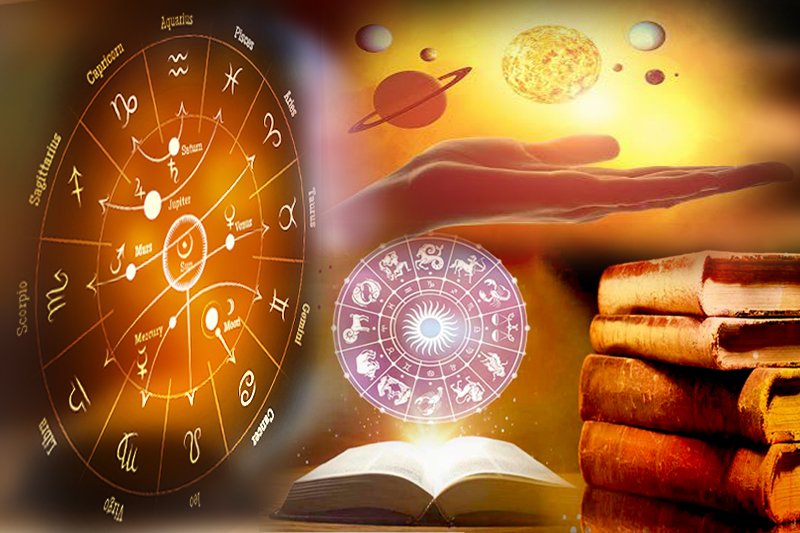
Vedic Astrology or Jyotish Shastra is one of the most ancient sciences; the origins and time-period of its origin are unknown. The traces of Vedic Astrology can be found in the oldest text available to mankind the Rig Veda. Some experts believe that both Vedas and Vedic Astrology to be at least 5000 – 10000 years old. Vedic Astrology has been highly glorified and revered in various ancient scriptures. Since time immemorial it has a very profound influence on Sanatan Dharma and culture. Right from the birth of an individual to his death, Vedic Astrology, its teachings and concepts have much influence on the life of a native as they are interwoven in religion and culture. Philosophies such as Karma and reincarnation are borrowed from Vedic Astrology which later became part of everyday culture. Using principal of Vedic Astrology a learned astrologer can guide and also make predictions not only about good and bad phases in one’s life but also about specifics such as career, business, health, marriage and in fact every aspect of a person’s life.
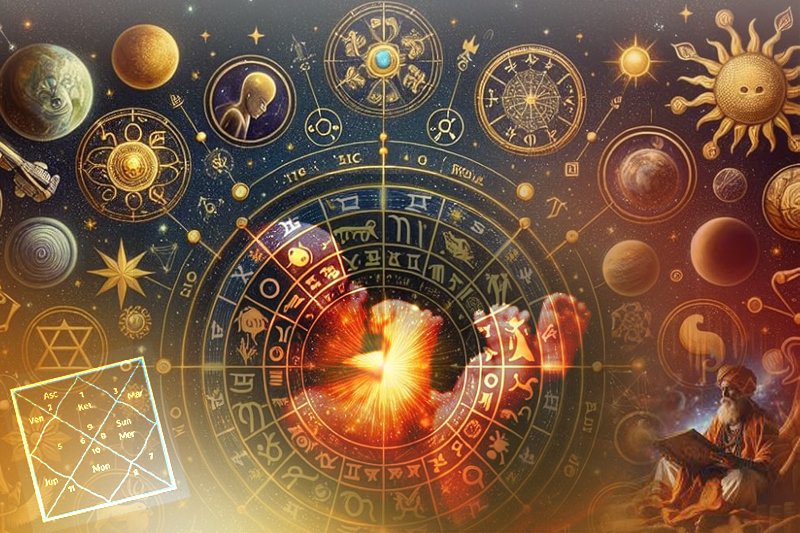
What is Vedic Astrology?
Vedic Astrology or Jyotish Shastra is the scientific study of positions and movements of celestial bodies (Planets) with respect to fixed constellation of stars (Zodiac or Rashi), its interpretation using very accurate Vedic mathematical and astronomical principals and then its influence and effect on the events in an individual’s life or in whole. It is mentioned as ‘language of stars and planets’ in texts and scriptures. Ancient Sage Parashara, also known as the father of Vedic Astrology developed modern Jyotish Shastra around 3000 years back which was then passed on orally. Vedic Astrology has a splendid continuity as a science since ancient times, although then Jyotish Shastra was very elaborate in nature (100s of factors were taken in to consideration in ancient times to make a prediction) once.
How Vedic Astrology works?
Vedic Astrology is a highly developed science. The word Jyotish means Jyot (Light) and Ish (God) meaning ‘Light of God’ also interpreted as ‘Science of Light’. The critics of Vedic Astrology often criticize it citing the term ‘Your destiny is in your own hands’ without understanding that the said term forms the very basis of Vedic Astrology. Karma or the theory of action and reaction has profound impact on Vedic Astrology. As per Vedic Astrology the future is decided/moulded due to present and past Karma (including past-life karma) and this future can be interpreted through the language of the celestial bodies i.e. placements and movements of celestial bodies in one’s Janam Patrika or Kundli (Natal Chart) or Horoscope. Modern technology has further helped develop Vedic Astrology by simplifying Kundli making, research, calculations and much more.
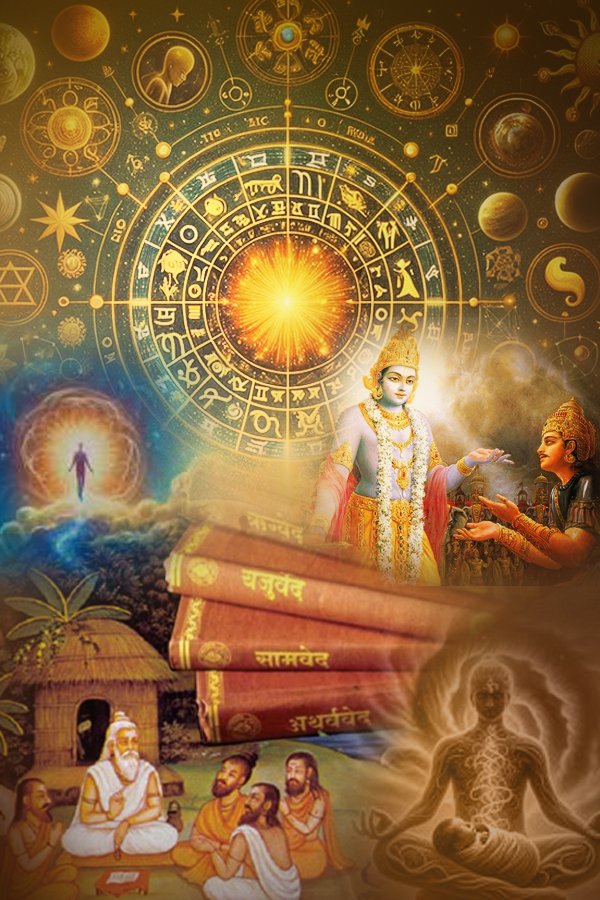
Significance of Vedic Astrology
In ancient Vedic period Vedic Astrology was taught in Gurukuls. It was stated that to begin learning Vedas, to understand and interpret them, first student should have knowledge of the six Vedangas (Organs or Body parts of the Vedas). Vedic Astrology or Jyotish Shastra is one of the six Vedangas.
It was stated that Vedic Astrology will provide the eyes to see the past, present and the future for the students of Vedas. The knowledge of astronomy, astrophysics and Vedic Mathematics that ancient sages such as Parashara, Jaimini and Bhrigu had even 3000 years ago is astounding. They could predict eclipse, change of seasons, planetary movement and much more without any modern equipment so accurately that it’s mindboggling.
Study of Planetary movements and positions during various historical events has authenticated the science of Vedic Astrology. For example Planetary positions during Mahabharat (Karna told Lord Krishna about the same in Mahabharat) and during World War I and II have been somewhat identical and related.
Many learned Astrologers have accurately predicated very unlikely events even that of somebody’s death and illness to a specific day. It is believed that in today’s time a really learned and knowledgeable astrologer (not the neighbourhood hobby-astrologer) can make predictions with up to 70-80% accuracy.
Indian Astrology another name for Vedic Astrology has influenced both Western and Chinese Astrology and is highly accurate and deep when compared to these other forms of Astrology, scholars also believe that influences of Vedic Astrology can be found in other ancient civilizations such as Roman and Greek civilizations too.
Basics of Vedic Astrology
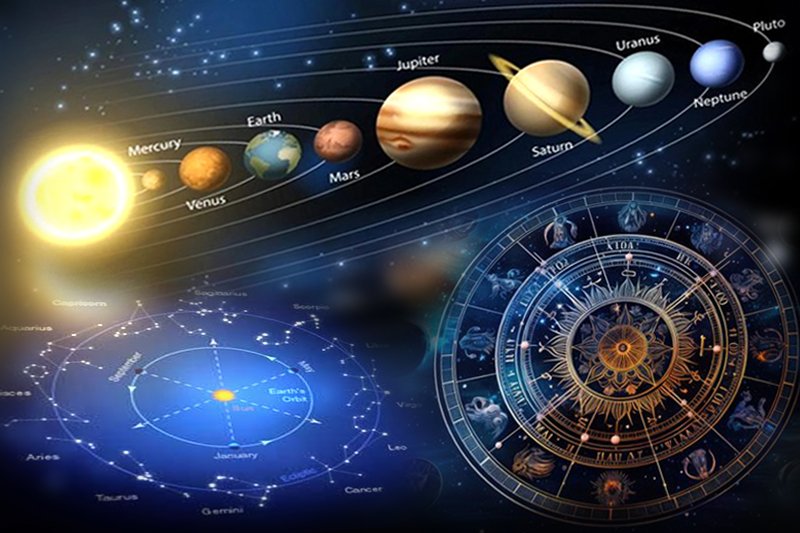
Study of Vedic Astrology is vast in nature. There are many schools of thoughts, varied concepts and understanding within Vedic Astrology. But there are theories which are primary in nature and universally accepted. Firstly there are the Twelve Zodiac Signs or Rashis, then there are 9 Planets or the Navgraha, then there is the Kundli or Natal Chart with the 12 houses or Bhavas, there are also 27 Nakshatras. Vedic Astrology is about relationship between Planets, Rashis, Bhavas, their positions and transits and much more. Mentioned below is some basic information about the various elements of Vedic Astrology:
About Navgraha (9 Planets)
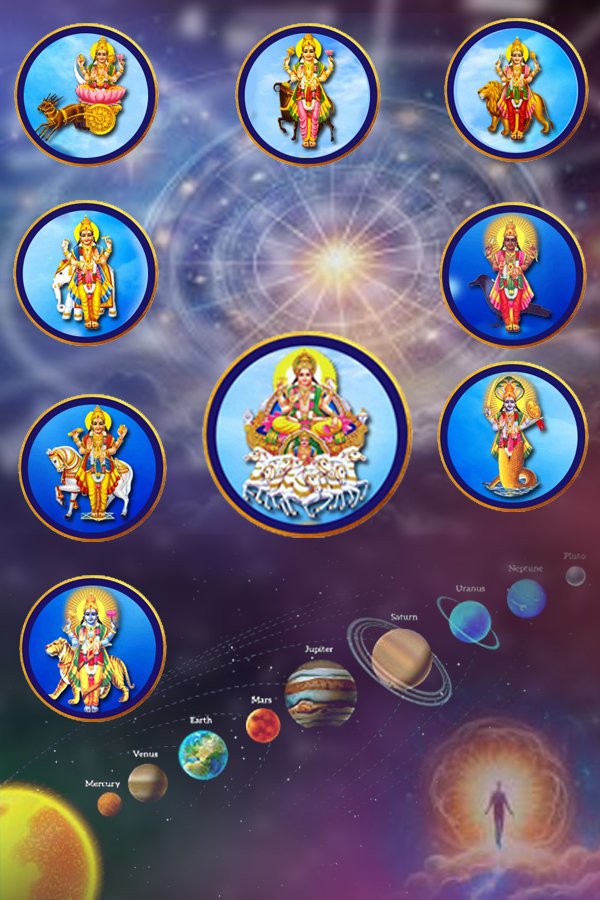
Navgrahas are nine Planets in Vedic Astrology, there are revered as demi-God in Sanatan Dharma. Each of the nine Planets have their own qualities, mantras, iconography and more. Some are regarded as positive or benefic Planets, others as negative or malefic. Some of Navgraha planets are regarded as male, others as female and some others as even transgender or eunuch. The Navgrahas Planets are:
Planet Sun (Surya Dev) - The Sun is the most potent and dominant planet in the solar system, standing at the head of all planets. In Vedic astrology, the planet sun represents strength, prestige, and authority. It controls your willpower, ego, and feelings of self.
Planet Moon (Chandra Dev) - The Moon is the ruler of emotions since it is the planet that significantly influences how one's horoscope defines them. It governs a person's emotions and senses.
Planet Mars (Mangal Dev) - As Mars is the god of war, the planet of aggression is associated with the color red, blood, fire stations, heat, swords, land, barriers, strengths, police stations, army battlefields, cannabis, cocaine, etc. This sign is prone to violence and instability but can also be a tremendous source of boldness, independence, and self-determination if used correctly.
Planet Mercury (Buddh Dev) - Mercury is one of the most potent planets. It primarily relates to your mental state and is a symbol of communication.
Planet Venus (Shukra Dev) - Venus is the planet associated with brightness, glamour, beauty, love, parties, romance, sex, music, and dancing. It is the most critical indicator of ladies, money, marriage, elegant clothing, pearls, wives, brahmins, silver, happiness, etc. Strong Venus produces excellent outcomes.
Planet Jupiter (Brahaspati Dev) - It represents wealth, wisdom, elder brothers, teachers, cows, physical well-being, yellow, power, status, and authority, among other things. It is also associated with holy water and temples. Strong Jupiters bring good luck, whereas weak Jupiters are indicators of bad luck.
Planet Saturn (Shani Dev) - According to mythology, Shani is the older brother of Yama, the God of Death. Because black and blue are Shani's hues, they can bring death and prolong life if positioned well in the horoscope. Saturn is a life-depleting, arid planet. It stands for deterioration.
Planet Rahu (North Node) - Vedic astrology considers Rahu to be a shadow planet. Since it lacks a physical form, it symbolizes everything virtual. Nevertheless, Rahu is the most potent and has been assigned a planet's location. It mostly has adverse effects. This planet indicates laziness, hold-ups, and obstacles.
Planet Ketu (South Node) - Since Ketu is merely a point in the cosmic arrangement and is invisible, it is likewise a shadow planet. It liberates people from worldly wants and leads them towards spiritualism and enlightenment. It stands for the demon's tail.

12 Houses / Bhavas of Kundli
Each of the 12 houses of a Kundli indicates the personality, strengths and weaknesses of a native. The details of the 12 Bhavas are mentioned below:
First House: The First House, also known as “Lagna,” symbolizes who you are and how you appear; it is the house of the self.
Second house: In Vedic astrology, it is called the house of possessions. It represents Dhana, or income, which encompasses money and material assets like a car, furniture, investments, etc.
Third house: This house ruled the Gemini. It controls a person's mental health and memorization skills. Moreover, the native of this house is associated with travel, siblings, neighbours, hobbies, routines, mental acuity, and communication.
Fourth house: Cancer is associated with the fourth house in Vedic astrology. It governs your homes, as well as your ancestry, territory, real estate transactions, automobiles, and bond with your mother. In Vedic astrology, this house is also known as Bandhu Bhava since it is strongly linked to a person's contentment at home.
Fifth house: Another name for this house is Putra Bhava's home. It is the home of romance, laughter, happiness, and inventiveness. The natives of this house are critical thinkers and take part in inventions.
Sixth house: Ari Bhava is another name for the sixth house. Since Ari means "enemy," this house also concerns debts, challenges, foes, and hardships. Your daily routine and general state of health and well-being are primarily correlated with this house.
Seventh house: Yuvati Bhava is another name for this house. It's your partner's or spouse's home. In addition, it talks about the secret aspect of the relationships in life—the partnership that you entered—and is the home of all alliances, both relationship and business collaborations.
Eighth house: In Vedic astrology, the 8th house, or Randhra Bhava, is responsible for death, longevity, and unforeseen events such as winning the lottery. The individuals of this house gain and lose the wealth or property suddenly.
Ninth house: In Vedic astrology, this house is also referred to as Dharma Bhava and is associated with your religious impulses, immigration, good karma, dharma, ethics, higher learnings, and the inclination towards charitable work and good actions.
Tenth house: The tenth house sometimes referred to as Karma Bhava. As the name suggests, it concerns your line of employment, occupation, and reputation. The positions of the planets in this bhava determine the field which will be best suitable for your work.
Eleventh house: In Vedic astrology, the house of prosperity is Labha Bhava. 'Labha' means gains. Hence, as the name suggests, it's a reliable predictor of revenue and wealth, reputation, notoriety, and financial gain. It also influences what generates profits for you.
Twelfth house: In Vedic astrology, the 12th house signifies the conclusion of your life cycle and the start of your spiritual journey. It is also known as the house of unconsciousness, captivity, and self-undoing. The native may experience alienation from others due to a poor 12th house, including alienation from their spouse, parents, friends, and neighbours.

About 12 Rashi / Zodiac Signs
A zodiac cycle typically has twelve signs, each lasting one month. These astrological signs are directly linked to several constellations in the sky. There are 12 zodiac signs:
1. Aries (Mesha) - The ruling planet of Aries is Mars or Mangal. Mars is the sign of energy, boldness, aggression, as well as aspiration. Additionally, it is the planet of passion. It talks about drive for action, and physical skill.
2. Taurus (Vrishabha) - Shukra or Venus is the governing planet of Taurus. It represents sensuality, love, harmony, beauty, and worldly comforts. Venus is linked to artistic expression. It talks about being creative in life, and the need for security in native's life.
3. Gemini (Mithuna) - Mercury, often known as Buddha, is the governing planet of Gemini. It represents intellect, communication, and flexibility. Mercury also represents curiosity, and adaptability. Mercury being the planet of learning also represents communication, and intelligence.
4. Cancer (Karka) - The planet that is ruling the sign Cancer is planet Moon (Chandra). The Moon represents feelings. It talks about tenderness, and sensuality. The intuition of a native is also represented by this planet. Moon is also known to represent the imagination, the subconscious mind. It talks about longing for safety and comfort.
5. Leo (Simha) - The ruling planet of Leo is the Sun (Surya). It represents uniqueness, energy, self-expression, initiative, and inventiveness. The Sun also represents strength, self-assurance, and a need for approval.
6. Virgo (Kanya) - The ruling planet of Virgo is Mercury (Budha). Virgo personalities are intelligent, have language fluency, and are sensitive to nerves. They are well-versed in the facts and make excellent lecturers.
7. Libra (Tula) - Venus is the planet that rules Virgo. It is a symbol which represents idealists, prophets, revolutionaries, reformers, and extremists. Natives of this Rashi have intense senses of justice. There is balance, and harmony in the characteristics of Libra people. It is more visible when it comes to concepts.
8. Scorpio (Vrishchika) - The planet that rules the sign of Scorpio is Mars. Scorpio peoples are mostly found in the profession of police officers, athletes, or soldiers. Scorpio natives can be prone to using force. They enjoy using their martial force physically.
9. Sagittarius (Dhanu) - Sagittarius is the rashi which is ruled by the planet Jupiter (Guru). It talks about growth, hope, expansion, intellect, wisdom, and also spirituality. Jupiter is the planet which is representing philosophy. Guru is responsible for its guidance in intellectual learning. It helps a native in his search of truth.
10. Capricorn (Makara) - The planet that rules the sign of Capricorn is Saturn (Shani). Saturn is known for its qualities of self-control. It takes care of accountability, diligence, aspiration, besides hardwork. Saturn is also a sign which represent structure. It is the planet of authority. Saturn is known for choosing long-term objectives.
11. Aquarius (Kumbha) - Aquarius's is again the sign which is ruled by the planet, Saturn. Of all the signs, Aquarians are the most self-deprecating. They possess greater trust and the ability to give up the ego to the Divine on a higher plane.
12. Pisces (Meena) - Pisces or Meena is another sign which is governed by Jupiter planet. People who are Pisces are inventive in nature. Pisces are intuitive, and emotions in nature. They are passionate, but not usually in a sensible way.
Vedic Astrology Benefits
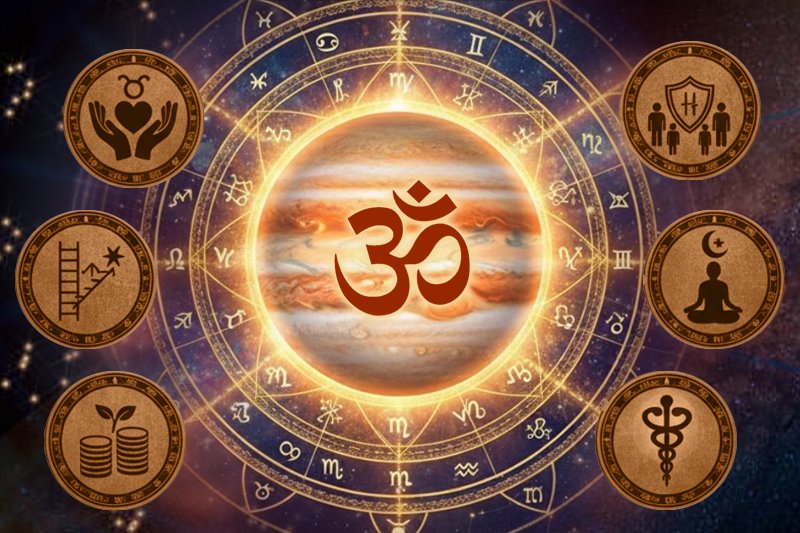
Vedic Astrology or Jyotish Shastra provides numerous benefits for a native. It provides a unique perspective and understanding of various things, the human life and the Universe. Vedic Astrology is an excellent tool which has to be used as a Guru or spiritual guide in one’s life. Generally people turn to an Astrologer when they are going hardships or when they want predictions about future or future events. But this is a narrow way of using or looking at Vedic Astrology. Vedic Astrology provides great insight, awareness and understanding about oneself. It can be used every day of the month and every month of the year not only for guidance but for growth as well. With knowledge of one’s strength and weaknesses, qualities and abilities a learned Astrologer may guide a person to make the best decision or to pick the best option. For instance a person who has a powerful and potent Planet Jupiter in his Kundli is appropriate for a teachers or professors or a lawyers job. Similarly someone with a powerful Planet Mars will excel in defence or police forces. Some of the top benefits of Vedic Astrology are:
Profound Self-awareness and Understanding
Divine Guidance of the Life Path
Good Health, Prosperity and Well-being
Relationship Compatibility
Spiritual Growth and Augmentation
Astrology in Vedic Scriptures
A person who will study astrology and add Divinity to course of people’s destiny will attain his place and status in the world of Brahman; he will never be found in hell
– Brihat Samhita
Lord will incarnate (as Planets) to safeguard the interests of the righteous and to punish the evil-doers. Planets true to their Godly nature will provide their benefits and malefic through manifestation in a horoscopic chart.
– Srimad Bhagawad Gita
Vedic Astrology FAQs
Q. How accurate is Vedic Astrology?
A. According to Vedic Scriptures with Vedic Astrology a learned Astrologer can make predictions that are up to 80% correct. But that was then when the science of Vedic Astrology was really detailed. In today’s time one can expect up to 70% accurate predictions. Also few factors such as accuracy of birth date and time also plays a major role.
Q. How can anybody predict future?
A. Vedic Astrology is a detailed science wherein numerous factors are understood and studied. The movement of celestial bodies to determine various phases and events in an individual’s life being one of them. In Vedic Astrology also in Sanatan Dharma Karma is supreme and there is no substitute for the same. When right Karma meets right circumstances a fulfilling life is ensured. This account of one’s Karma is studied through one’s Natal Chart and thus fairly accurate predictions as far as phases and events in a person’s life are concerned.
Q. How Vedic Astrology differs from Western Astrology?
A. Vedic Astrology is a highly developed science. Vedic Astrology is vast, highly accurate and detailed when compare to Western Astrology. Vedic Astrology also has 1000s of years of rich history and study behind it. Seemingly in Western Astrology more prominence is given to Sun-signs whereas in Vedic Astrology it’s given to Moon-signs
Q. In what ways Vedic Astrology useful?
A. Vedic Astrology is an excellent tool for assistance in the journey of life. It helps one understand happenings in one’s life and around. It helps one to plan ahead and clear past Karma. Vedic Astrology is also a beneficial science as it also provides remedies using which malefic effects of negative Karma can also be nullified.
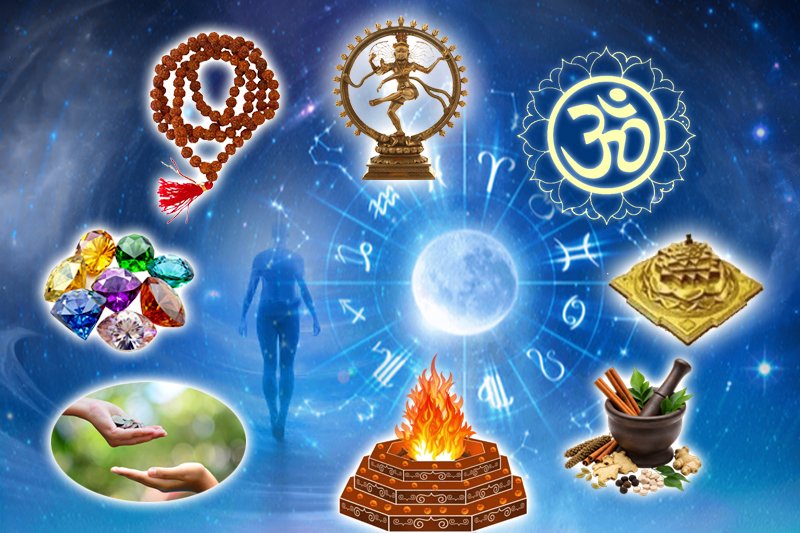
Remedies in Vedic Astrology
The primary concept of working of Vedic Astrology is the ‘action and reaction’ theory or the Karma theory. It is that one will sooner rather than later reap what he will sow. As per Vedic Astrology there are 3 types of Karmic effects namely:
Adridha (Karmic effect which can be changed easily)
Dridhadridha (Karmic effect which can be changed with effort)
Dridha (Karmic effect which can be changed only by the Divine)
Thus only effects of Dridha Karmic potency are predestined and determined, all other malefic effects of negative Karma resulting in setbacks, negativity or bad phases in life can be overcome through eight methods namely Tantra, Mantra, Yantra, Aushadhi, Yagya, Daan (Donations), Rudraksha and Ratna. Thus an individual should consciously or unconsciously use the mentioned 8 methods to generate good Karma which will bring positivity and prosperity for him or her. Some Astrologers also recommend certain Planet related remedies such as feeding cows, fish or dogs, offering water to Sun and more to reduce malefic effects of a particular Planet or Dosha.